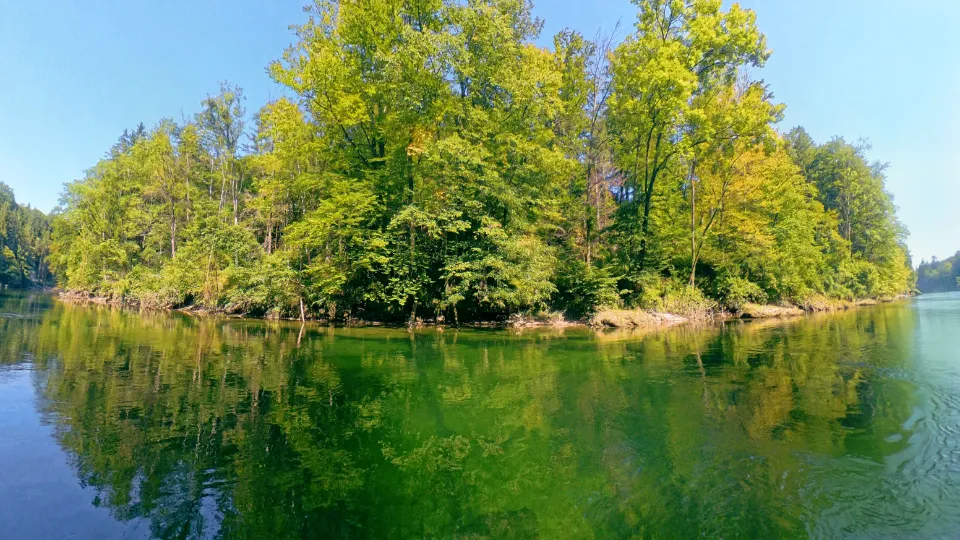
The Traun is a magnificent river for paddlers, SUP riders and canoeists. But as with any body of water, safety and respect for nature come first. Whether you are stepping onto the water for the first time or have already logged many river kilometres -- these 10 golden rules are essential knowledge for every water sports enthusiast.
Safety on the Water
1. Always Wear a Life Jacket
The most important rule comes first: always wear a life jacket -- no exceptions. Even if you are a strong swimmer, an unexpected fall into cold water can cause muscle cramps or disorientation. At TraunXperience, every guest receives a CE-certified buoyancy aid that fits perfectly and does not restrict movement.
For children under 12, a properly fitted child life jacket is mandatory. Make sure the jacket sits snugly against the body and cannot slip over the head. If in doubt, our team will help you with the adjustment.
2. Check Weather and Water Levels
Before heading out on the water, always check the current weather conditions and the Traun's water level. Paddling during thunderstorms, heavy rain or high water is life-threatening. The Traun can rise rapidly after rainfall in the Salzkammergut region -- sometimes within just a few hours.
Check the current gauge readings on the Upper Austrian hydrographic service website. At TraunXperience, we never start a tour when conditions are unsafe. Our safety page provides further details on our standards.
3. Never Paddle Alone
Never go on the river alone. Paddling in a group is not only safer but also more fun. In an emergency, a companion can call for help or intervene directly. A minimum of two people, ideally three or in a guided group, is the safest approach.
If you do not yet know the Traun, we recommend a guided tour with one of our experienced guides. This way you will learn the route, the current conditions and the most beautiful stretches safely.
4. Respect the Current
The Traun is not a still lake. Although it flows calmly over long stretches, there are sections with stronger currents, narrow passages and weirs. Especially in the Traun Gorge, the current can become surprisingly powerful.
Always stick to the recommended routes and avoid closed areas. Weirs and power plant inlets are absolute danger zones. If you feel unsure about a passage, turning back is not a weakness -- it is smart.
Nature Conservation and Responsibility
5. Follow Natura 2000 Rules -- Keep Distance from Nesting Sites
The Lower Traun lies within a Natura 2000 protected area. This means rare and protected animal and plant species live here that depend on peace and quiet. Maintain at least 30 metres distance from breeding colonies, beaver lodges and reed zones.
Do not set foot on gravel banks during breeding season (April to July) -- common sandpipers and little ringed plovers nest directly on the ground and their nests are nearly invisible. Paddling quietly, not playing music and keeping dogs on a lead are further essential rules within the reserve.
6. No Litter -- Leave No Trace
Whatever you bring, you take back. No rubbish belongs in the river, on the banks or in the floodplain forest. Even biodegradable waste like banana peels or apple cores takes months to decompose and attracts rats and other synanthropic animals.
Take a rubbish bag on every tour. Better yet: pick up litter that others have left behind. At TraunXperience, we provide every boat with a waterproof waste bag. This way the Traun stays what it is -- a natural jewel.
Health and Preparation
7. Sun Protection and Hydration
On the water, UV radiation is significantly stronger due to reflection than on land. Wear waterproof sunscreen with at least SPF 30 (preferably SPF 50), a hat and if possible a long-sleeved UV shirt. Do not forget to apply sunscreen to your ears, neck and the backs of your hands.
Dehydration creeps up unnoticed on the water. Bring at least 1 litre of water per person per hour. Avoid alcohol on the water -- it impairs your reaction time and accelerates dehydration.
8. Know About Cold Water Shock
Even in summer, the Traun can be surprisingly cold. If you fall into the water, cold water shock can trigger uncontrolled inhalation and panic. This reflex is more dangerous than the cold itself.
If you fall in: stay calm, do not swim frantically, trust your life jacket. Hold on to your boat or paddle. The earlier in the season and the colder the water, the more important a wetsuit becomes -- you can add one to your booking with us.
9. Have an Emergency Plan
Before you set off, inform someone about your planned route and expected arrival time. Carry your phone in a waterproof case. Save the emergency numbers: 144 (ambulance), 112 (European emergency), 122 (fire brigade).
Know the entry and exit points along your route. At TraunXperience, you receive a briefing before every tour with map material, emergency numbers and the most important behavioural guidelines.
The Best Tip for Last
10. Book a Guide When in Doubt
If you have little experience on rivers, do not know the Traun or are travelling with children -- book a guide. This is not a sign of weakness but of responsibility. Our guides know every metre of the route, know where the current is treacherous and where the best kingfisher sightings await.
A guided tour offers you maximum enjoyment with maximum safety. You will learn paddling technique, discover fascinating facts about the region's nature and history, and can focus entirely on the experience. The Traun rewards everyone who enjoys it with respect and attentiveness.
Still have questions about safety on the Traun? Write to us or give us a call -- we are happy to advise you personally.