A Museum in the Birthplace of an Abbot
In the heart of Stadl-Paura, just a short walk from the banks of the Traun, stands one of the oldest buildings in the municipality. It was here in 1668 that Abbot Maximilian Pagl was born, a man who would go on to shape Lambach Abbey. Today, this historic building houses the Schiffleutmuseum -- a place that brings the fascinating history of Traun shipping vividly to life.
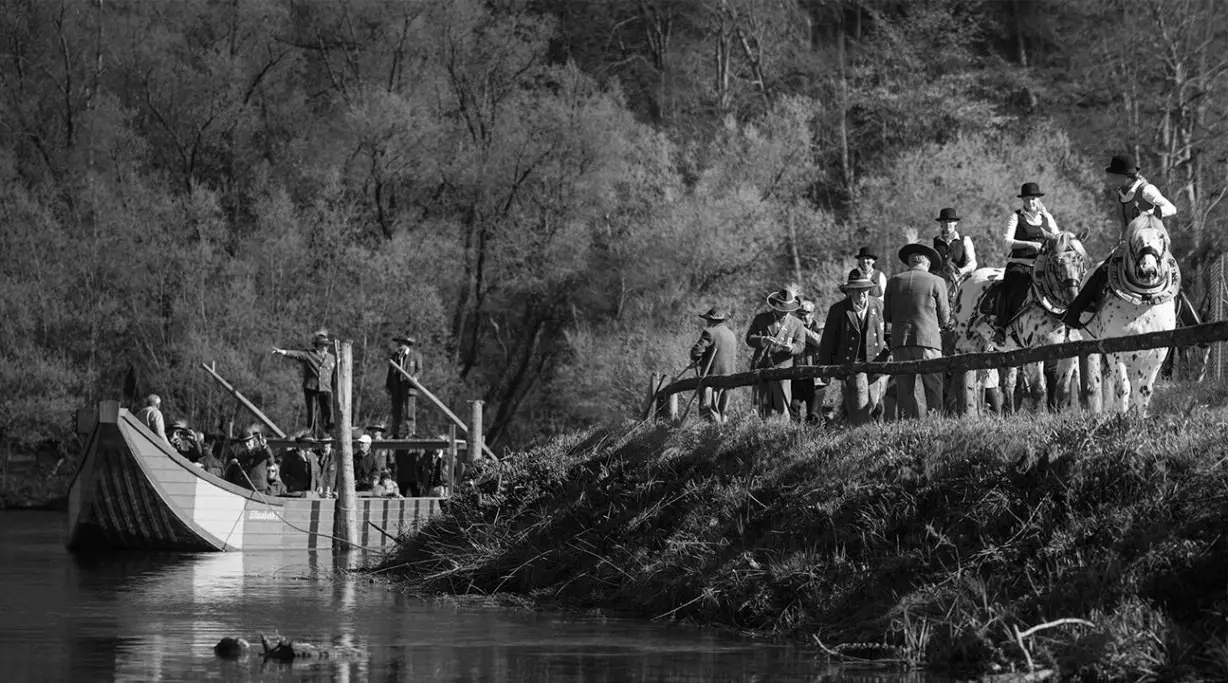
For centuries, the Traun was one of Central Europe's most important trade routes. White gold -- salt from the Salzkammergut -- was transported downstream on flat-bottomed boats called Zillen and Plätten. The boatmen who practised this dangerous trade shaped the culture of the entire region. The museum tells their stories.
What Awaits You in the Exhibition
The Schiffleutmuseum surprises visitors with the depth and variety of its exhibits. Across several rooms, the exhibition leads chronologically through the epochs of Traun shipping -- from medieval salt transport to 19th-century steamboats.
Highlights include faithful scale models of the historic salt vessels, the so-called Zillen and Traunschiffe. These flat wooden boats were built specifically for the Traun: sturdy enough for the rushing currents, yet light enough to be hauled past the dreaded Traun Falls by rope and muscle.
Particularly striking are the original tools of the boatmen -- ropes, poles, oars and navigation instruments. Historical photographs and documents reveal the harsh daily life of the Traun boatmen, who worked in all weathers. Information panels explain the economic importance of the salt trade for Upper Austria and the trading connections as far as Vienna and Budapest.
A dedicated section covers the perilous Traun Falls near Roitham. Here, vessels had to be navigated through a series of rapids and waterfalls -- an endeavour that demanded the highest skill and not infrequently proved fatal. The museum documents this passage with maps, drawings and eyewitness accounts.
Opening Hours and Admission
The Schiffleutmuseum is open from May to October on Sundays and public holidays from 2:00 pm to 4:00 pm. Group tours outside these hours can be arranged by contacting museum director Christian Hager.
- Adults: EUR 8.00
- Groups of 10 or more: EUR 5.00 per person
- Students: EUR 5.00
- Children under 6: free admission
Museum director Christian Hager is an outstanding authority on regional shipping history and personally guides visitors through the exhibition. During a group tour, you will hear details and anecdotes that go far beyond the display labels. Booking in advance is recommended.
Combine a Museum Visit with a Paddle Tour
The best way to experience the history of Traun shipping is to combine the museum with time on the water. Visit the Schiffleutmuseum first to understand the historical context -- then paddle with TraunXperience along the very stretch that the salt boats once navigated.
On our guided tours through the region, you pass the same narrows, gravel banks and riverbanks described in the museum. The difference: you feel the power of the river with your own body. For groups in particular, this combination of culture and adventure is an unforgettable experience.
The gentle paddle route between Stadl-Paura and Lambach is ideal for beginners. On the water, you can appreciate why Traun shipping was so dangerous -- and at the same time, why the landscape along the Lower Traun remains so captivating to this day.
Getting There
The Schiffleutmuseum is located in the centre of Stadl-Paura, directly on the main road. You can reach it by car via the B1 or by train to Lambach-Stadl-Paura station. From the station, it is about a ten-minute walk to the museum.
Tip: plan half a day -- for the museum visit, a stroll along the Traun riverbank and then a paddle tour with TraunXperience. That way, you experience the history of the Traun with all your senses.