

Times of Day on the Traun
When the sun rises behind the floodplain forests or reflects golden on the water at dusk, the Traun reveals its true character. Twilight is the most magical time on the river.
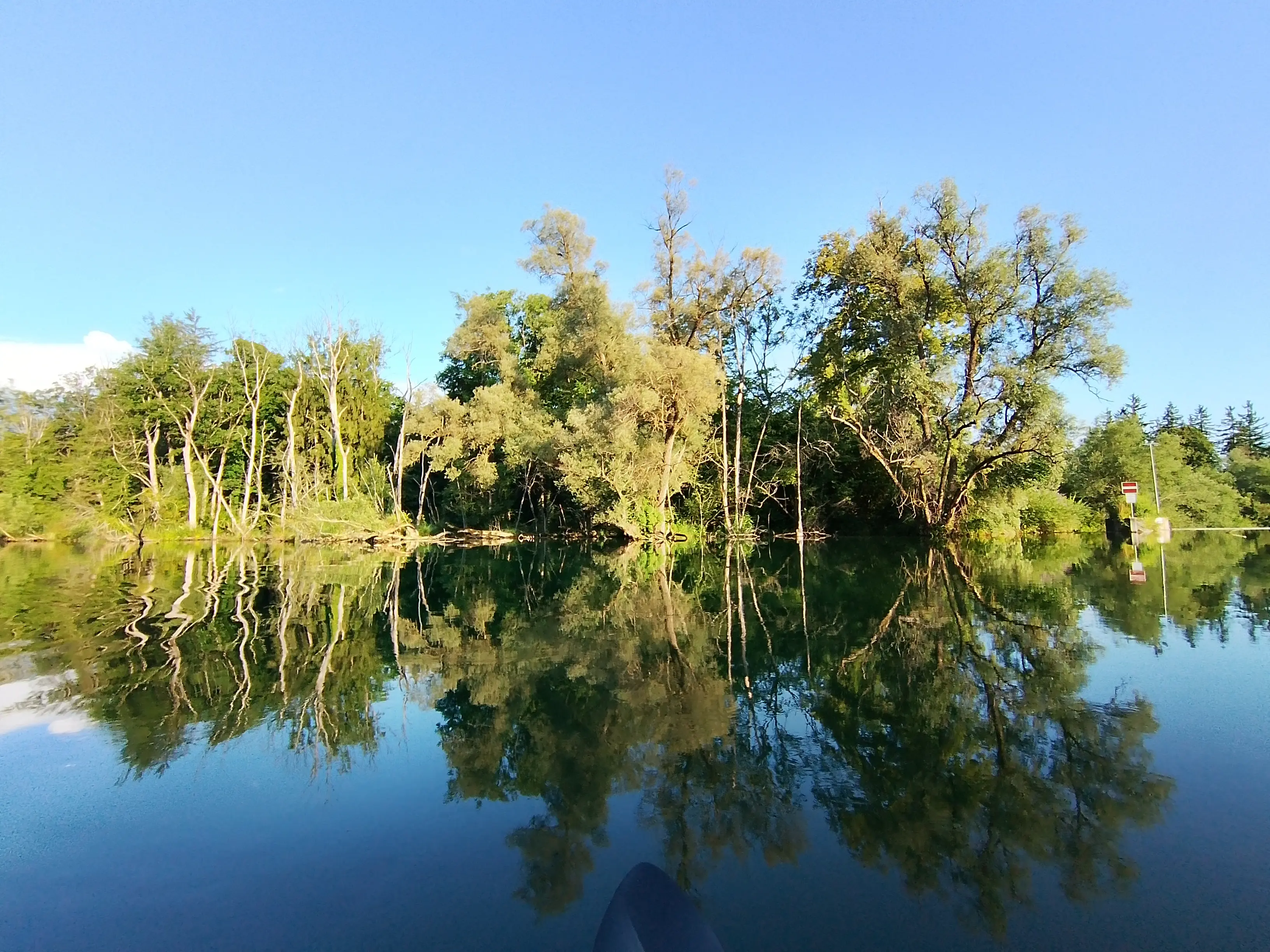
Dawn on the River
Before the sun reaches the treetops, morning mist hangs over the Traun. The water surface is mirror-smooth, every sound carries far. A kingfisher darts arrow-fast across the water – its turquoise plumage flashing in the first light.
Early morning is the best time to experience the birdlife on the Traun. Common mergansers glide silently through the mist, while on the gravel banks the first common sandpipers forage for food. The air smells of damp floodplain forest and wild thyme.
Morning Wildlife
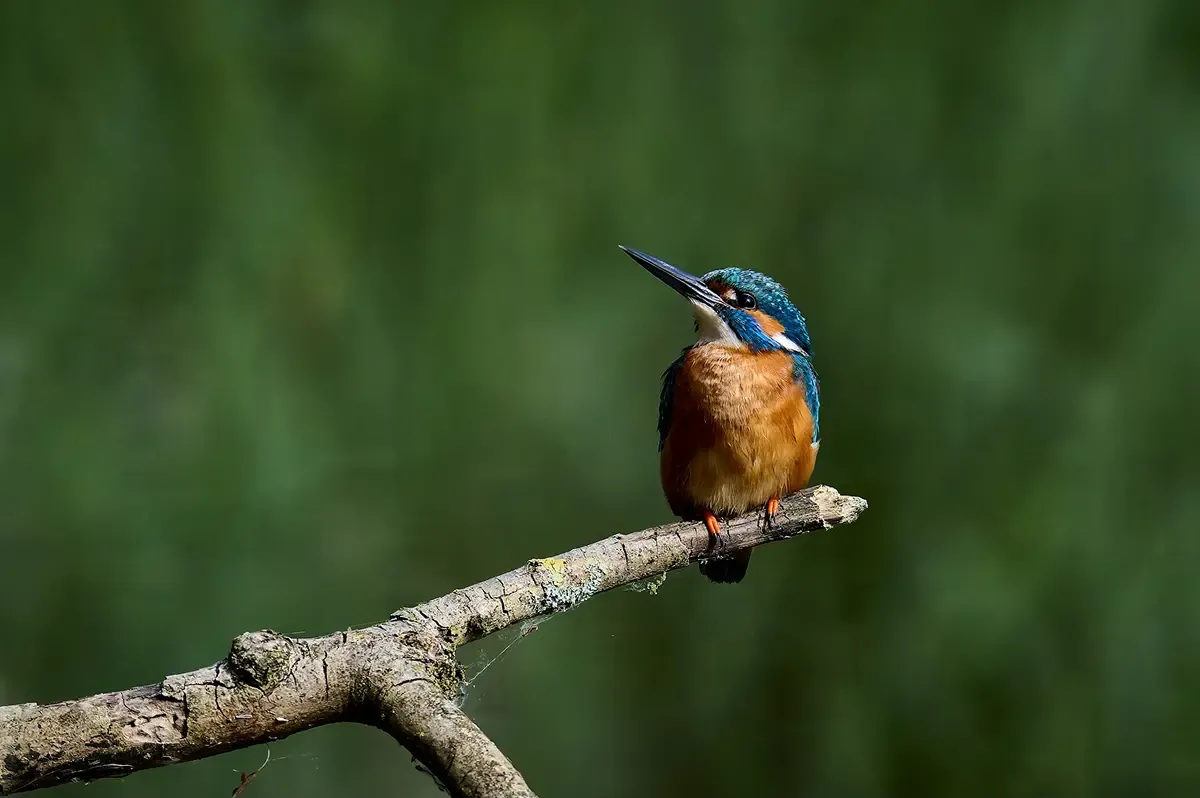
Kingfisher
The "flying jewel" hunts at dawn for small fish – diving at speeds of up to 100 km/h.
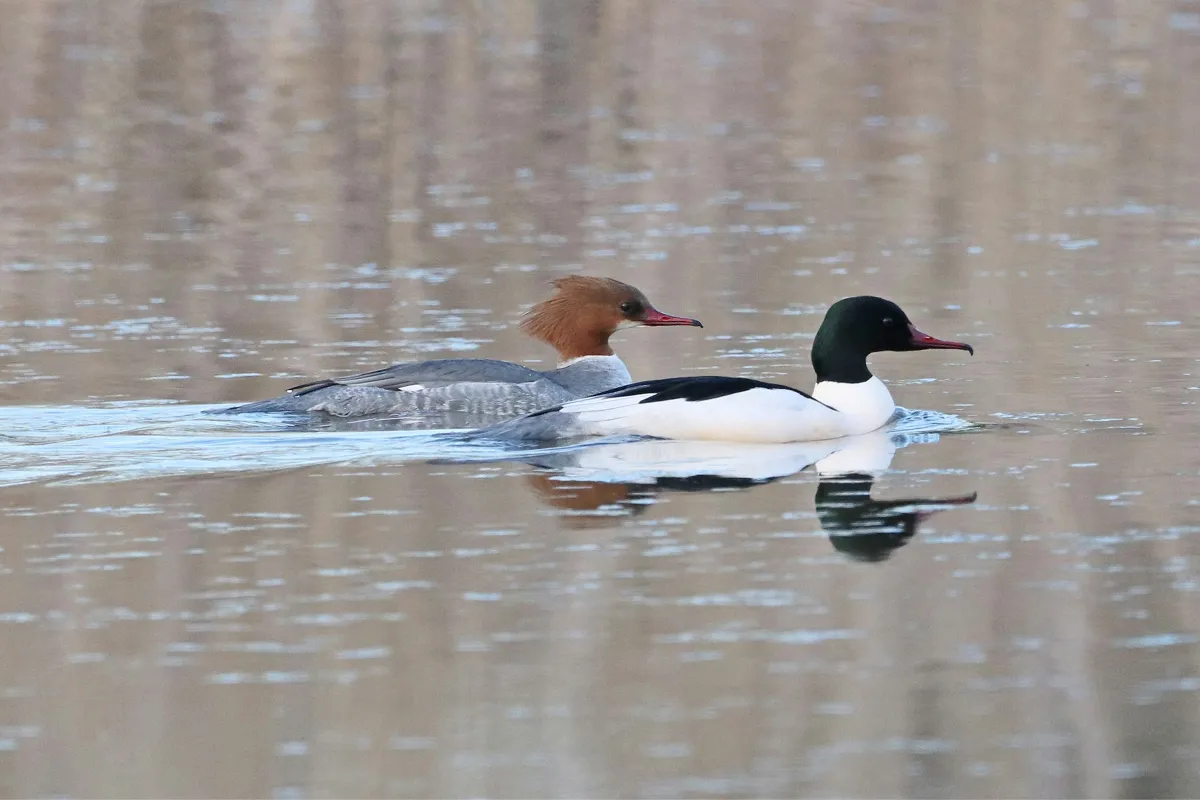
Common Merganser
Elegant diver with a serrated bill. Prefers fishing in the clear morning hours.
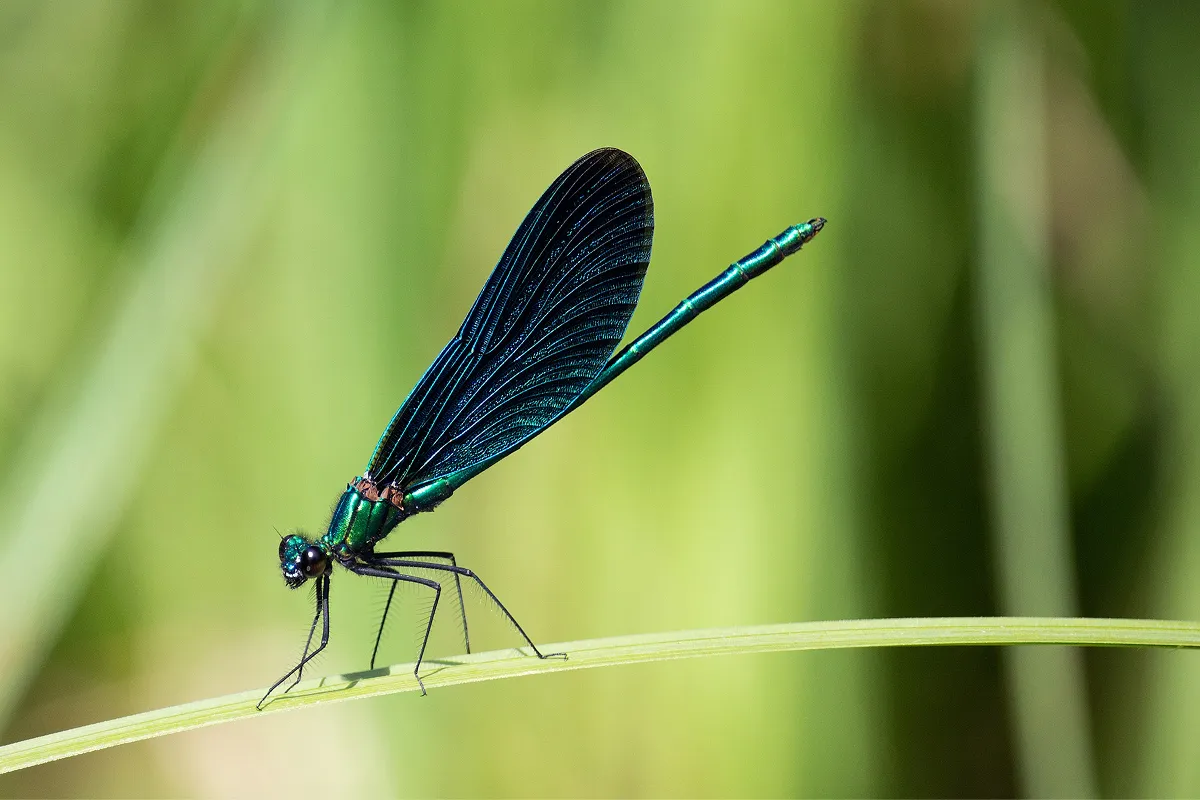
Demoiselle Damselfly
Sunbathing in the morning – the beautiful demoiselle warms up on riverside stones.
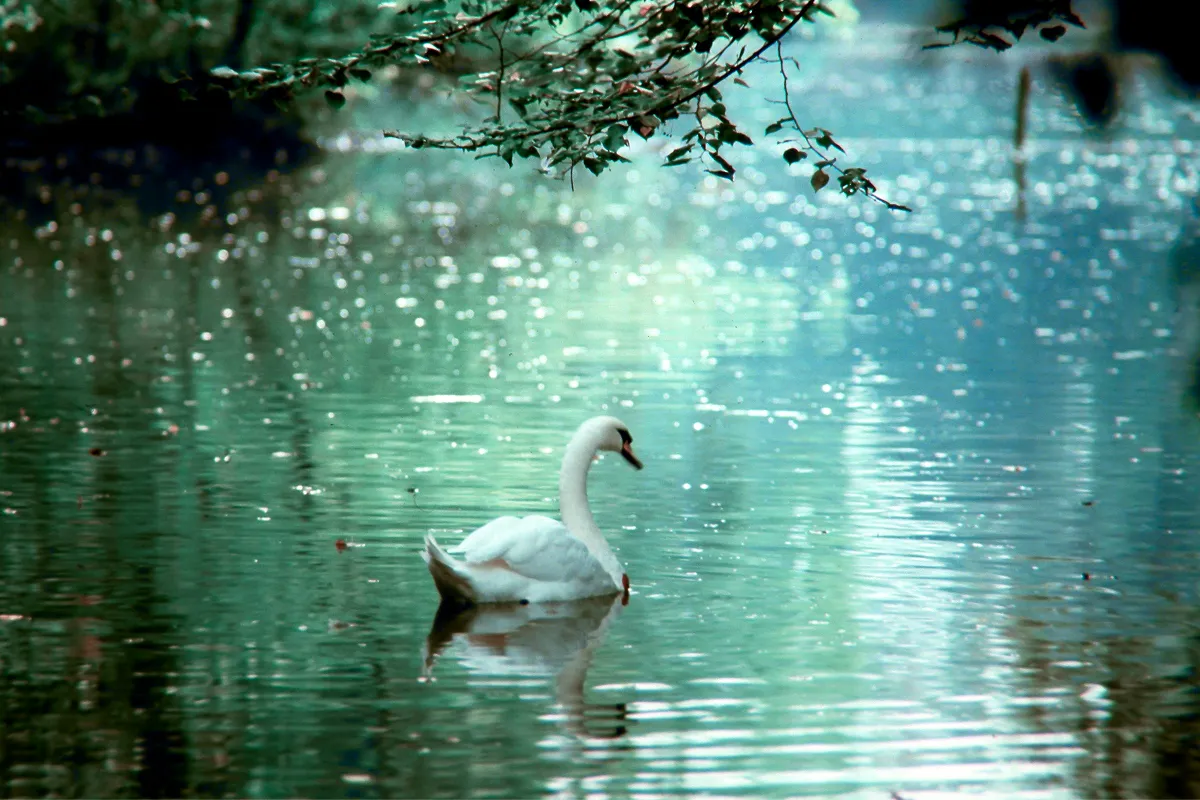
Mute Swan
Gliding majestically through the morning mist – a constant companion on the Traun.
Dusk
When the light turns golden and shadows grow longer, a second spectacle begins on the Traun. The warm evening light bathes the limestone cliffs of the Traun Gorge in soft orange – a moment that invites you to pause.
At twilight, the nocturnal inhabitants awaken: beavers leave V-shaped waves as they swim to their feeding grounds. The eagle owl calls from rock crevices, and above the water, bats begin their insect hunt.
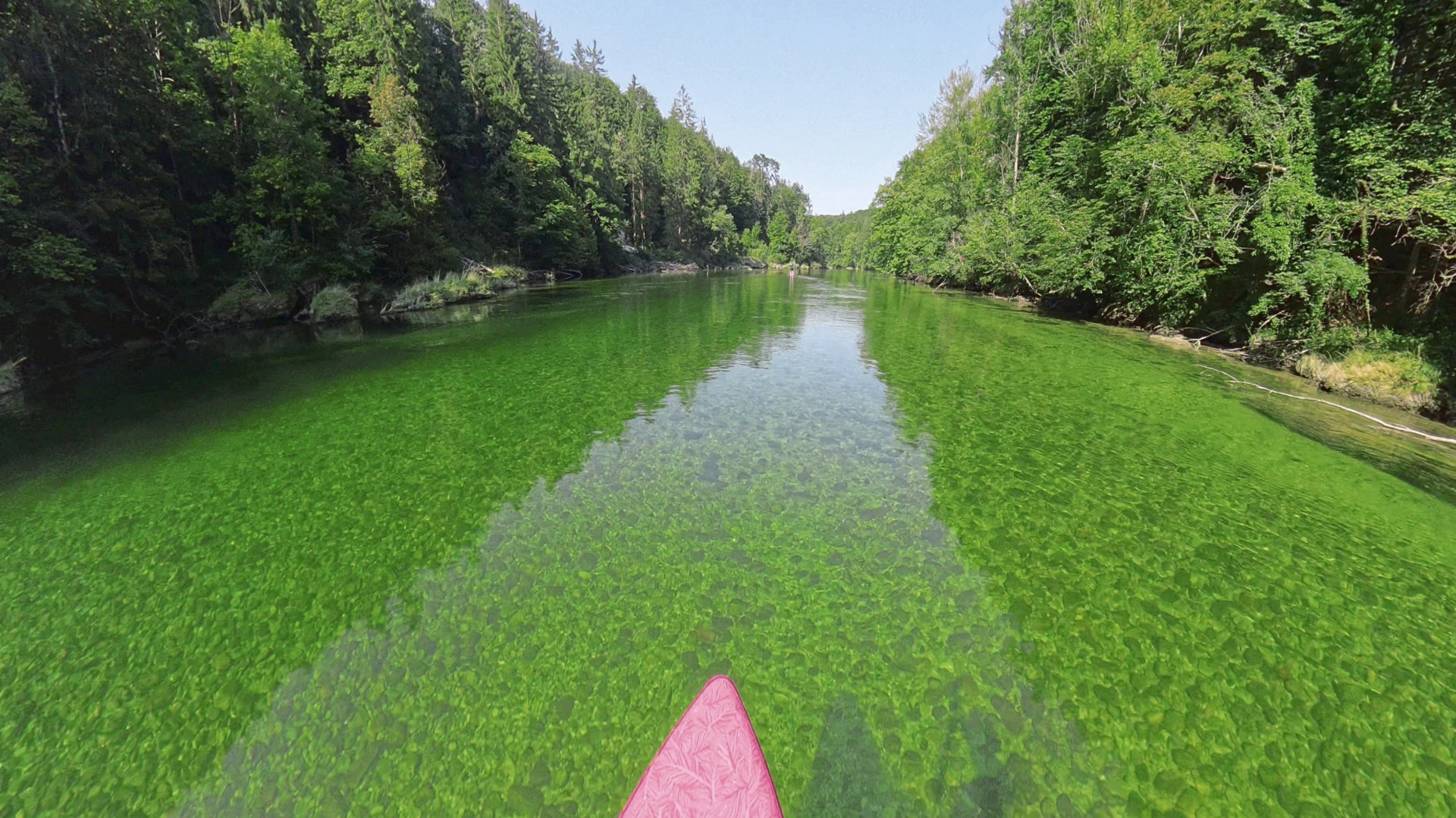
Nocturnal Wildlife
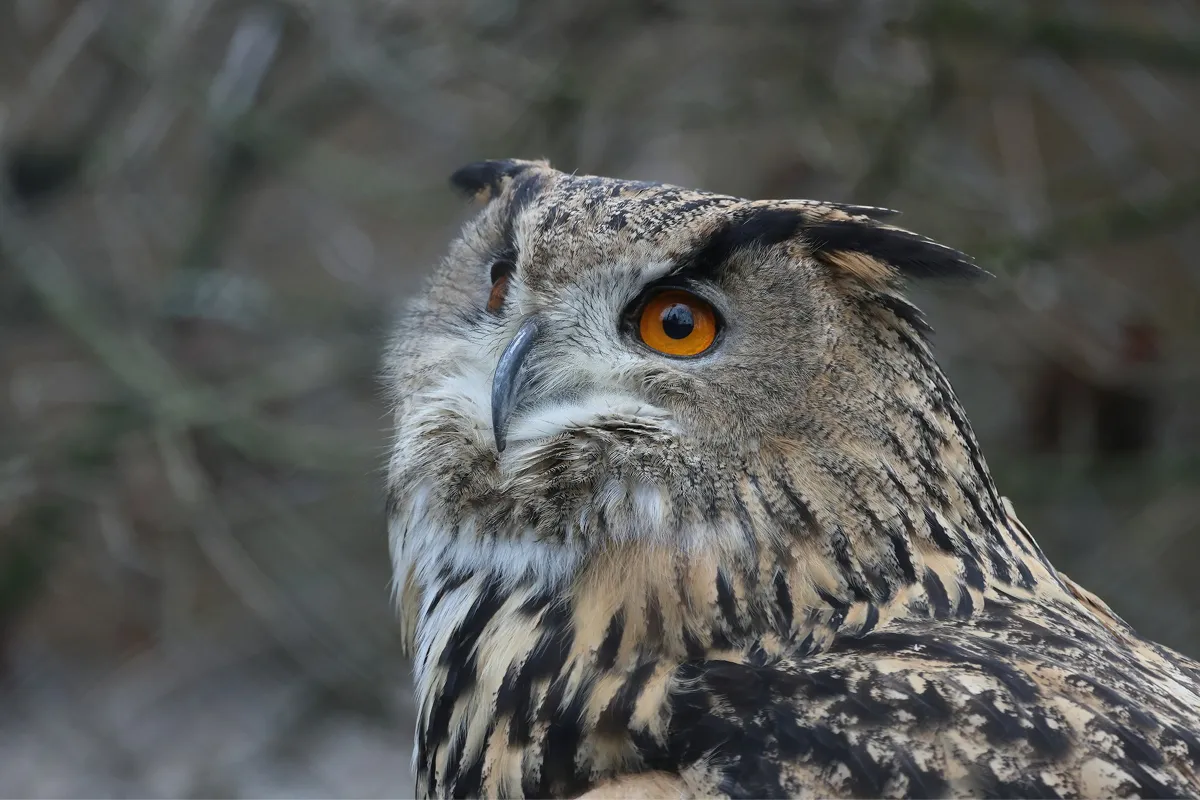
Eagle Owl
Europe's largest owl nests in the cliff faces of the Traun Gorge. Its call echoes through the valley at dusk.
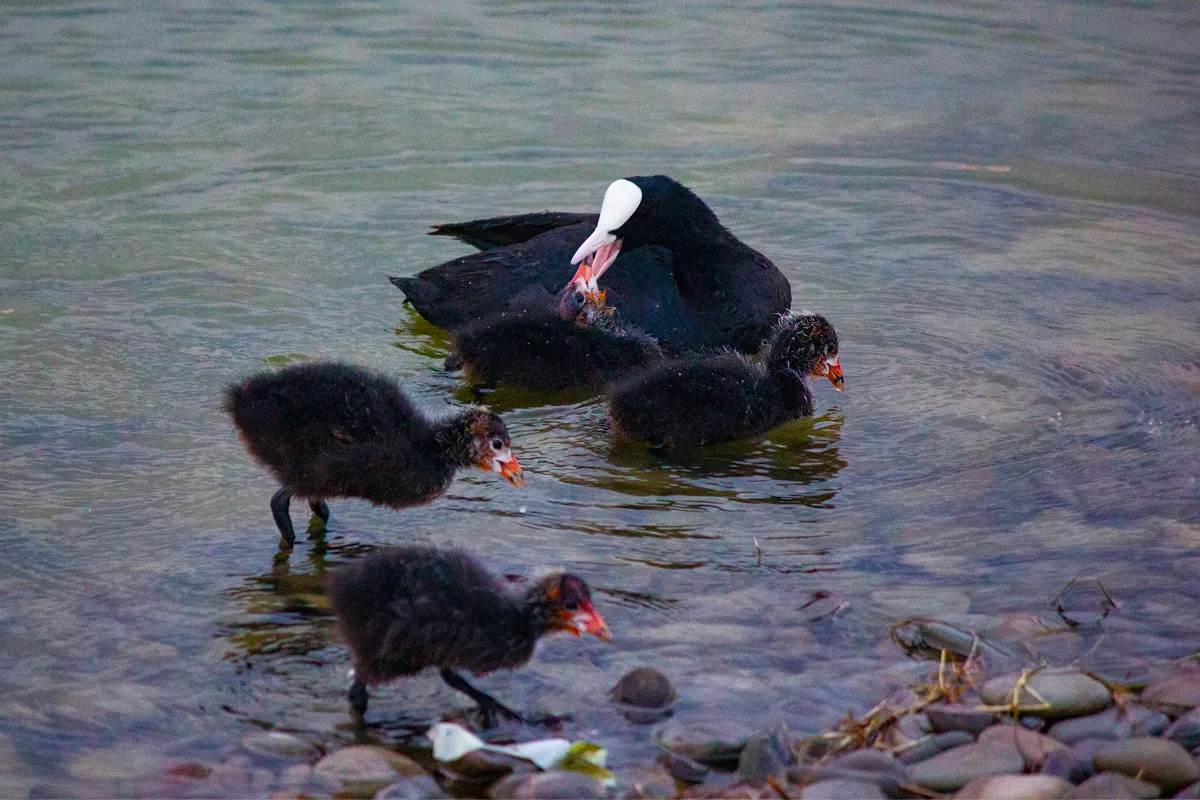
Eurasian Coot
Active until twilight – often spotted in small groups along the riverbank vegetation.
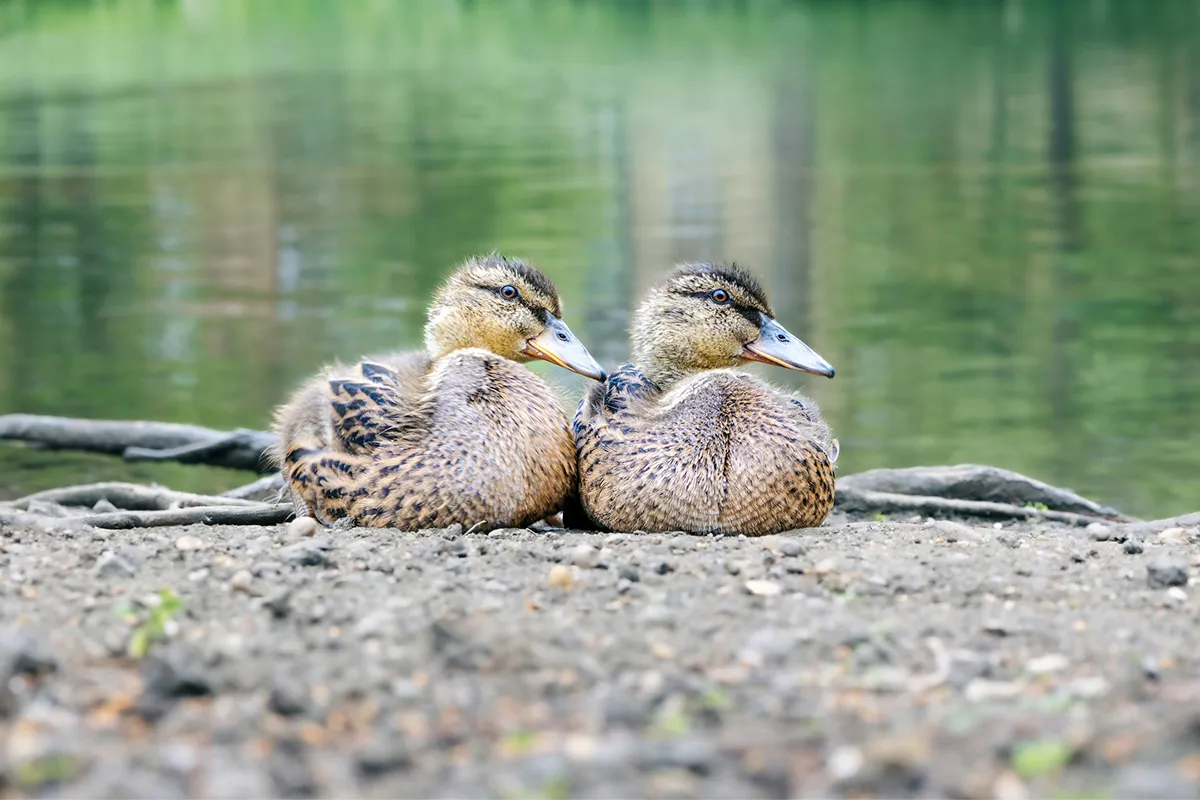
Mallard Ducks
Love dabbling in the evening stillness – their familiar quacking accompanies every sunset.
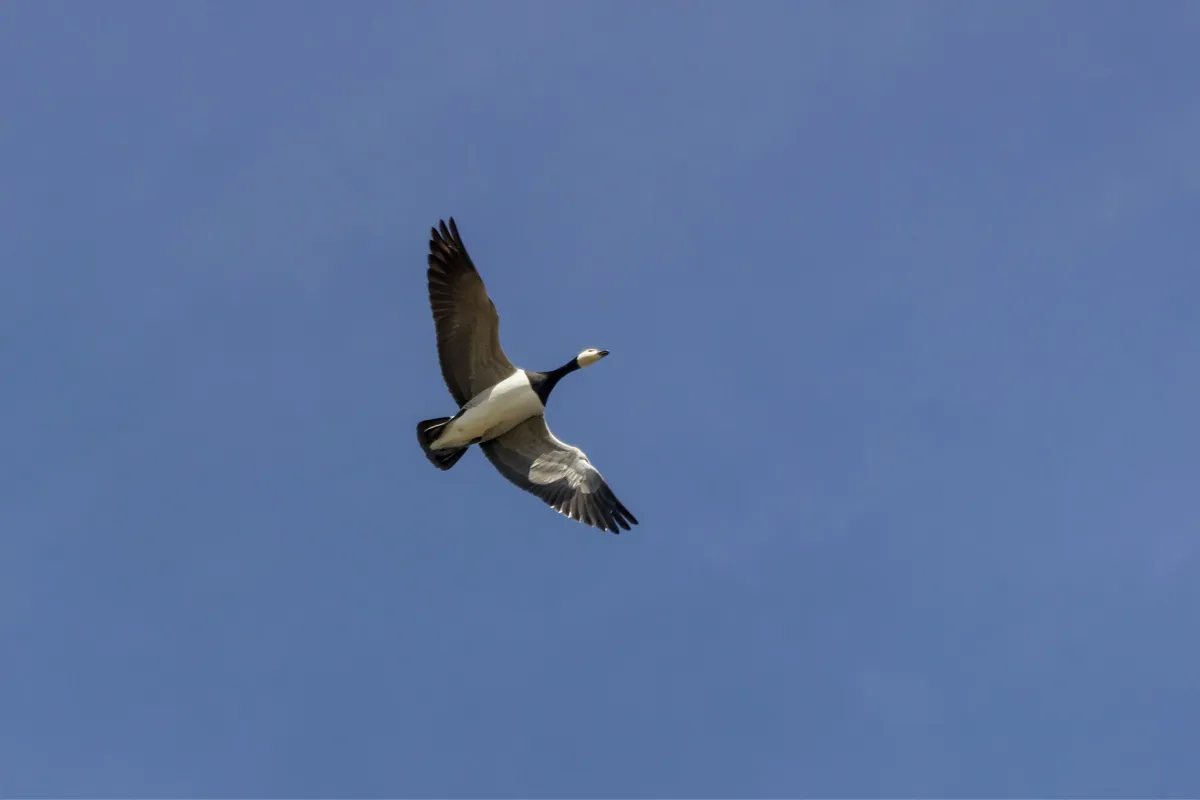
Canada Goose
Frequent visitor on the Lower Traun – flying in formation to their evening roosts at dusk.
Why Twilight Matters
The twilight hours are crucial for the Traun's ecosystem. This is when the most important ecological processes take place: birds of prey and fish hunt, insects swarm, plant pollen is dispersed.
Water temperature drops in the evening hours, which increases oxygen levels and makes fish more active. Dimmed light reduces stress for light-sensitive species. In a Natura 2000 reserve like the Lower Traun, this natural rhythm is especially valuable – and a reason why we at TraunXperience embrace silent slow tourism.
Whether water quality, temperature behaviour or light cycles: the Traun at twilight reveals how a healthy river ecosystem works.
Experience the Traun yourself
The Lower Traun and its wildlife await you – whether at dawn, in the afternoon or at dusk. Paddle quietly, observe mindfully, marvel.
Explore the Traun Gorge →